
Two-, three- & four-family home management
Small buildings where the rules change with each added apartment.
Brooklyn · Queens · Long Island · Updated October 2026
Windsor Fine Properties manages two-, three- and four-family homes in Brooklyn, Queens and Long Island, whether you live in one of the units or own from elsewhere. We handle leasing, rent collection, repairs and monthly statements, and we keep track of the rules that change as a house goes from two apartments to three to four.
What's specific about managing a small multifamily home?
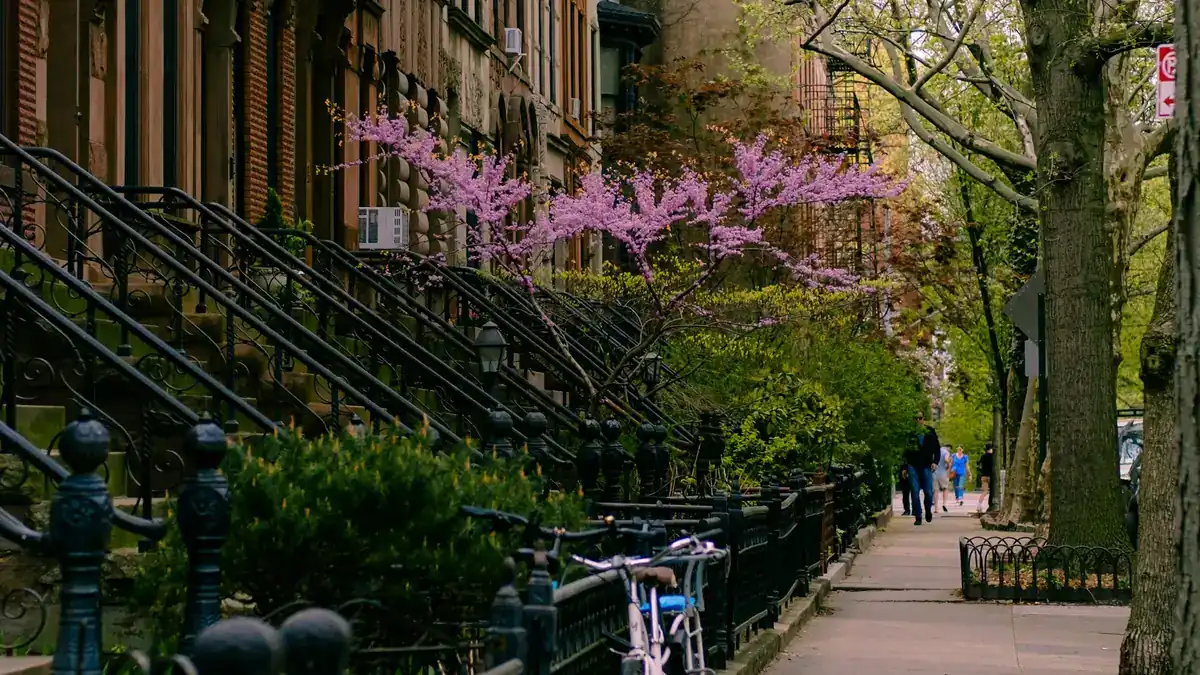
These houses are the backbone of Brooklyn and Queens: brick and frame homes with an apartment on each floor, often with the owner living downstairs. They are small enough to feel like a home and big enough to carry real building obligations. Shared systems, like a single boiler, one roof and shared hallways, mean one repair can affect every tenant, and in an owner-occupied house the owner's home and rental income sit under the same roof.
Under New York City law, a home with three or more apartments is a multiple dwelling, so the step from two units to three brings a new set of annual duties. Here is how it breaks down.
Two-family homes
- Often owner-occupied, with the owner on one floor and a tenant on the other. We can manage the rental unit only.
- HPD registration is required every year if neither the owner nor an immediate family member lives in the house.
- If the house was built before 1960 (or between 1960 and 1978 with known lead paint), NYC's lead-based paint law (Local Law 1) covers the tenant-occupied apartment.
- Carbon monoxide alarms are required in New York City one- and two-family homes.
- Gas piping inspections under Local Law 152 do not apply to one- and two-family homes.
Three-family homes
- A three-family house is a multiple dwelling under NYC law and must be registered with HPD every year, whether or not the owner lives there.
- Annual window guard notices go to tenants in buildings with three or more apartments, and window guards must be installed where a child 10 or younger lives, in common-area windows, and whenever a tenant asks.
- Local Law 1 lead paint duties apply in buildings built before 1960 (or between 1960 and 1978 with known lead paint), including an annual notice.
- Carbon monoxide alarms are required in New York City multiple dwellings too.
- Owners of multiple dwellings file an annual bed bug report with HPD in December.
- Gas piping must be inspected by a Licensed Master Plumber at least every four years under Local Law 152, on a schedule set by community district.
- Heat season rules (October 1 to May 31) and year-round hot water at 120°F apply.
Four-family homes
- Everything that applies to a three-family house applies here too.
- Under New York State law, tenants in buildings with four or more apartments generally have the right to sublet with the landlord's advance consent, and the landlord may refuse only on reasonable grounds. In buildings with three or fewer apartments, that right does not apply.
- Turnover in a four-unit house is frequent enough that a steady make-ready routine matters.
Two- to four-family homes on Long Island
Towns and villages in Nassau County and Suffolk County set their own rules for multi-unit and accessory rentals, including rental permits in many places, and the rules vary from place to place.
Which rules commonly apply?
- Security deposits for most residential leases in New York State are limited to one month's rent, and for non-regulated units the deposit must be returned within 14 days of move-out with an itemized statement of any deductions.
- For homes built before 1978, federal law requires a lead disclosure and pamphlet before a lease is signed.
General information, not legal or tax advice. Rules change, so confirm current requirements with the relevant agency or your attorney. Official sources are listed below.
Which Windsor services apply?
- Multifamily management: our overview for small rental buildings
- Small multifamily management: full service for buildings of up to 19 units
- Leasing & tenant screening: careful screening for every unit
- Rent collection: reminders, follow-up and online payment
- Make-ready & turnover: to keep vacancies short
- NYC compliance support: registrations, notices and filings
Where do we work with these owners?
Brooklyn: two- and three-family brick and frame homes in Windsor Terrace, South Slope, Kensington, Dyker Heights, Bensonhurst, Bath Beach, Gravesend, Homecrest, Sheepshead Bay, Midwood, Flatlands and Marine Park, plus converted rowhouses in Park Slope and Bay Ridge.
Queens: two-family homes are common in Astoria, Flushing, Bayside and Jackson Heights.
Long Island: two-family and accessory-apartment homes in Nassau County and Suffolk County, subject to each town's rules.
Two-, three- & four-family homes: frequently asked questions
I live in one of the units. Can you manage just the rentals?
Yes. Many two-family and three-family owners live in the house. We manage the rental units, with leasing, rent collection, repairs and statements, and agree with you which shared systems we look after.
Does my two-family house need to be registered with HPD?
Only if neither you nor an immediate family member lives there. A house with three or more apartments must register every year either way.
What changes when a house has three apartments instead of two?
Under NYC law it becomes a multiple dwelling. That generally brings annual HPD registration, window guard and lead paint notices, the December bed bug report and gas piping inspections under Local Law 152, on top of heat and hot water rules.
Can my tenants sublet?
In buildings with four or more apartments, New York State law generally gives tenants a right to sublet with the landlord's advance consent, and the landlord may refuse only on reasonable grounds. In buildings with three or fewer apartments, that right doesn't apply. This is general information, not legal advice.
Do you manage two-family homes on Long Island?
Yes. Nassau and Suffolk are part of our service area. Rental rules vary by town and village.
How do I get started?
Send us a message through our contact form or call (646) 762-9242 with the address, the number of units and who lives there now.
Ready to talk about your property?
Tell us about the building and how it is used today, and we will set up a time to talk.
Other property types

Start with a free management quote.
Every property is quoted individually. Contact for pricing.